Corrosion Protection for Prefabricated Enclosures: Make It Inspectable
E
ETENZ•Editorial Team
A custom prefabricated enclosure needs more than a corrosion category. ETENZ turns exposure, substrates, coating build-up, inspection and repair requirements into a package that can be quoted, built and verified.
For coastal, mining, chemical and high-humidity sites, corrosion requirements are often reduced to one line in an RFQ. A category can frame the discussion, but it does not define material selection, weld and edge treatment, coating application, factory acceptance or the repair of transport damage.
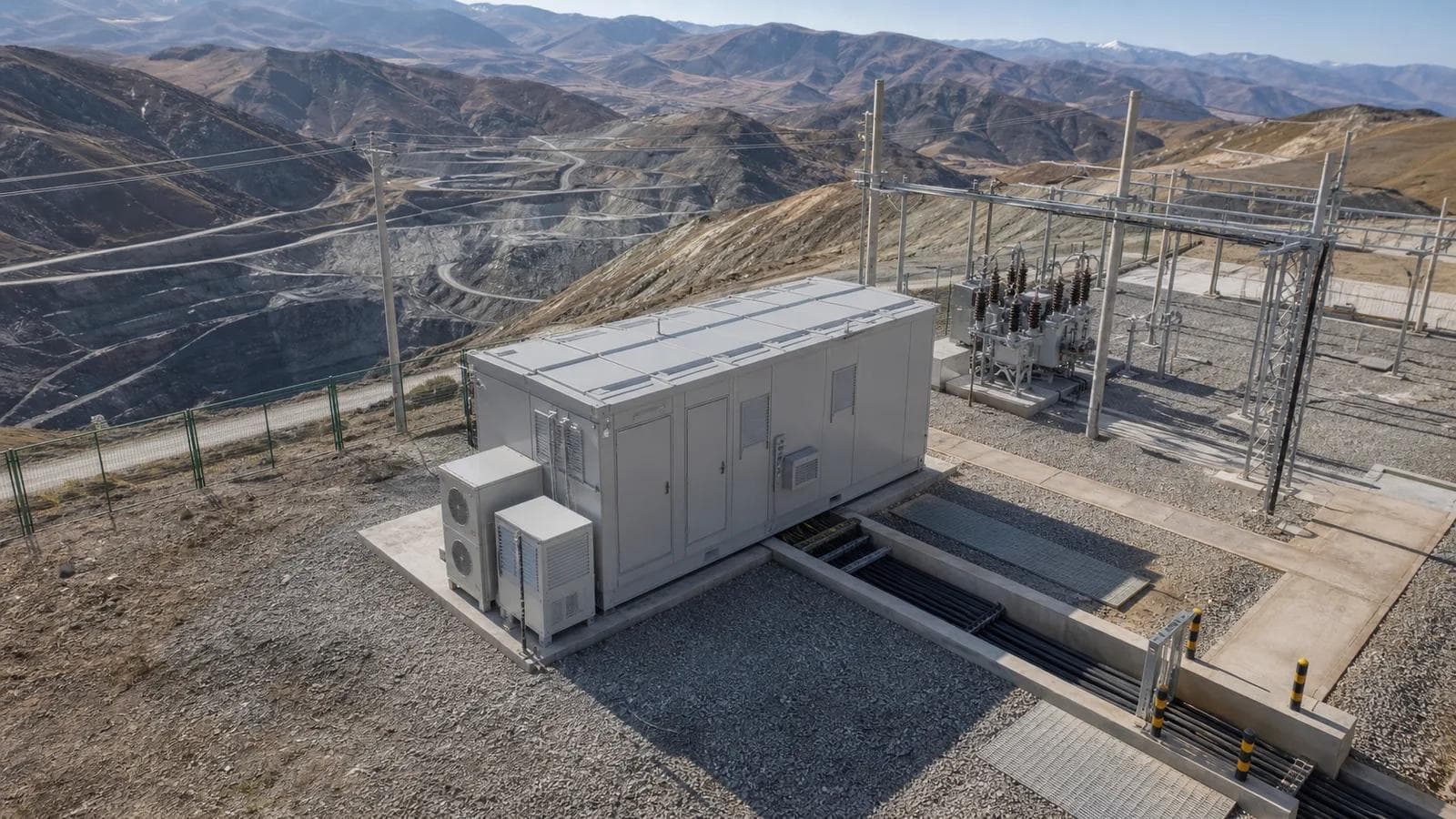
On a primary-equipment E-House delivered for a corrosive industrial environment, ETENZ coordinated corrosion protection with sealing, ventilation, moisture control, grounding and maintenance access. The commercial benefit is clear: a tighter quotation boundary, controlled factory execution, traceable inspection records and a practical handover plan.
Turn “corrosive site” into design data
The project should state whether the enclosure is indoor, outdoor, coastal or industrial, then provide humidity, salinity, dust, corrosive atmosphere, temperature variation, condensation, solar exposure and washdown conditions. Shutdown periods, unattended operation and maintenance intervals also influence the protection strategy.
Standards such as ISO 12944 provide a useful framework for discussing protective paint systems for steel structures. A standard reference or corrosivity category is not a complete purchase specification; the site data and maintenance assumptions must still be converted into a reviewable system.
The protection target is the complete enclosure, not a flat panel
Base frames, wall panels, roofs, doors, welds, edges, fasteners, grounding points, louvers and penetrations do not share the same exposure or application conditions. Water traps, dust traps and areas prone to thin coating coverage should be identified during structural detailing.
The RFQ should define the scope of carbon steel and other substrates, the required surface preparation, and the boundary for stainless steel, plastics, composites and bought-out components. Early definition reduces late material changes, touch-up work and interface rework.
Corrosion planning must cover doors, edges, fasteners, louvers, penetrations and base-frame details.
Translate the category into a coating build-up
An executable coating specification covers surface preparation, primer, intermediate coats, topcoat, colour, overcoating conditions and treatment of welds, edges and repair areas. The final build-up must align with the substrate, enclosure details, appearance requirements and actual exposure—not an isolated number.
Exposure, sealing and external interfaces should be coordinated before the coating system is finalized.
Make every inspection requirement recordable
If surface cleanliness, profile, ambient conditions, dry-film thickness, adhesion or visual inspection is required, the method, instrument, locations, sampling plan and acceptance basis should be defined as well. A requirement without a record rarely produces a shared decision at handover.
ETENZ can organize process checks and factory records against the approved project specification, linking coating inspection with dimensions, openings, interfaces and visual acceptance. The buyer receives more than a painted enclosure: the delivery is backed by traceable manufacturing evidence.
Plan lifting, transport and site repair from the start
During lifting, packing, sea or road transport and site installation, corners, lifting points, base frames and exposed components can be knocked or abraded. Transport protection should be planned with the coating system and logistics route, not improvised at dispatch.
Handover documents should define arrival inspection, damage assessment, repair materials, surface preparation, application steps, colour control and reinspection. Site touch-up can then restore the approved system instead of becoming an untraceable temporary fix.
Packing, lifting, transport protection and arrival repair belong in the same corrosion delivery plan.
A strong corrosion RFQ locks six items
Exposure and maintenance assumptions; substrates and enclosure details; surface preparation; complete coating build-up; inspection and records; and transport protection with a site-repair method. The earlier these inputs are fixed, the easier it is to compare quotations, control production and avoid late disputes.
For a prefabricated enclosure, the useful corrosion requirement is not a label on a datasheet. It is a delivery system that carries through design, manufacturing, inspection, transport and maintenance. ETENZ turns customer equipment, site conditions and delivery scope into a buildable and inspectable enclosure package.
Corrosion Protection for Prefabricated Enclosures: Make It Inspectable
E
ETENZ•Editorial Team
A custom prefabricated enclosure needs more than a corrosion category. ETENZ turns exposure, substrates, coating build-up, inspection and repair requirements into a package that can be quoted, built and verified.
For coastal, mining, chemical and high-humidity sites, corrosion requirements are often reduced to one line in an RFQ. A category can frame the discussion, but it does not define material selection, weld and edge treatment, coating application, factory acceptance or the repair of transport damage.
On a primary-equipment E-House delivered for a corrosive industrial environment, ETENZ coordinated corrosion protection with sealing, ventilation, moisture control, grounding and maintenance access. The commercial benefit is clear: a tighter quotation boundary, controlled factory execution, traceable inspection records and a practical handover plan.
Turn “corrosive site” into design data
The project should state whether the enclosure is indoor, outdoor, coastal or industrial, then provide humidity, salinity, dust, corrosive atmosphere, temperature variation, condensation, solar exposure and washdown conditions. Shutdown periods, unattended operation and maintenance intervals also influence the protection strategy.
Standards such as ISO 12944 provide a useful framework for discussing protective paint systems for steel structures. A standard reference or corrosivity category is not a complete purchase specification; the site data and maintenance assumptions must still be converted into a reviewable system.
The protection target is the complete enclosure, not a flat panel
Base frames, wall panels, roofs, doors, welds, edges, fasteners, grounding points, louvers and penetrations do not share the same exposure or application conditions. Water traps, dust traps and areas prone to thin coating coverage should be identified during structural detailing.
The RFQ should define the scope of carbon steel and other substrates, the required surface preparation, and the boundary for stainless steel, plastics, composites and bought-out components. Early definition reduces late material changes, touch-up work and interface rework.
Corrosion planning must cover doors, edges, fasteners, louvers, penetrations and base-frame details.
Translate the category into a coating build-up
An executable coating specification covers surface preparation, primer, intermediate coats, topcoat, colour, overcoating conditions and treatment of welds, edges and repair areas. The final build-up must align with the substrate, enclosure details, appearance requirements and actual exposure—not an isolated number.
Exposure, sealing and external interfaces should be coordinated before the coating system is finalized.
Make every inspection requirement recordable
If surface cleanliness, profile, ambient conditions, dry-film thickness, adhesion or visual inspection is required, the method, instrument, locations, sampling plan and acceptance basis should be defined as well. A requirement without a record rarely produces a shared decision at handover.
ETENZ can organize process checks and factory records against the approved project specification, linking coating inspection with dimensions, openings, interfaces and visual acceptance. The buyer receives more than a painted enclosure: the delivery is backed by traceable manufacturing evidence.
Plan lifting, transport and site repair from the start
During lifting, packing, sea or road transport and site installation, corners, lifting points, base frames and exposed components can be knocked or abraded. Transport protection should be planned with the coating system and logistics route, not improvised at dispatch.
Handover documents should define arrival inspection, damage assessment, repair materials, surface preparation, application steps, colour control and reinspection. Site touch-up can then restore the approved system instead of becoming an untraceable temporary fix.
Packing, lifting, transport protection and arrival repair belong in the same corrosion delivery plan.
A strong corrosion RFQ locks six items
Exposure and maintenance assumptions; substrates and enclosure details; surface preparation; complete coating build-up; inspection and records; and transport protection with a site-repair method. The earlier these inputs are fixed, the easier it is to compare quotations, control production and avoid late disputes.
For a prefabricated enclosure, the useful corrosion requirement is not a label on a datasheet. It is a delivery system that carries through design, manufacturing, inspection, transport and maintenance. ETENZ turns customer equipment, site conditions and delivery scope into a buildable and inspectable enclosure package.